


Do you want to contribute by writing guest posts on this blog?
Please contact us and send us a resume of previous articles that you have written.
The Buddhist Path of Realization, Embodiment, and Freedom

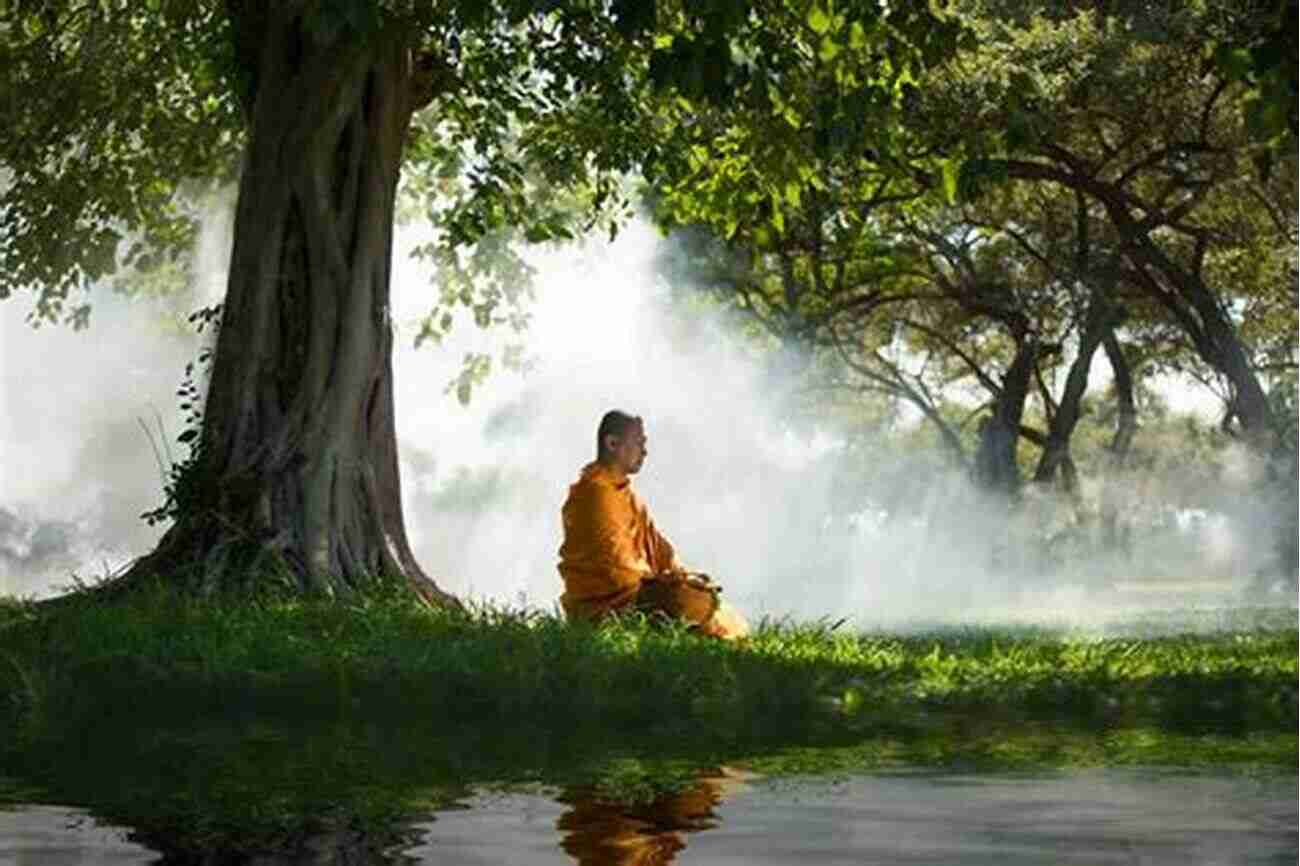
: Journey Towards Enlightenment
The Buddhist philosophy holds profound wisdom that transcends time and offers a roadmap to lead a life of realization, embodiment, and freedom. Rooted in the teachings of Siddhartha Gautama, the historical Buddha, the Buddhist path invites individuals to embark on a transformative journey towards enlightenment, seeking liberation from suffering and attaining inner peace.
Understanding the Buddhist Path
The Buddhist path can be divided into three essential components: Realization, Embodiment, and Freedom. Each component plays a crucial role in the pursuit of ultimate truth and self-discovery.
1. Realization: Awakening to the Nature of Reality
Realization is the first step on the Buddhist path. It involves awakening to the true nature of reality and gaining insight into the impermanence and interconnectedness of all phenomena. Through practices such as meditation, contemplation, and mindful awareness, individuals start to see beyond the illusions and delusions of the ego, recognizing the inherent suffering in clinging to transient experiences.
4.7 out of 5
| Language | : | English |
| File size | : | 5841 KB |
| Text-to-Speech | : | Enabled |
| Screen Reader | : | Supported |
| Enhanced typesetting | : | Enabled |
| Word Wise | : | Enabled |
| Print length | : | 258 pages |
| Lending | : | Enabled |
2. Embodiment: Integrating Wisdom into Daily Life
Embodiment refers to the process of embodying the wisdom gained through realization into daily life. It entails living in alignment with the principles of compassion, loving-kindness, and non-attachment. By cultivating mindfulness and compassion in all actions, individuals can nurture a deep sense of interconnectedness with all beings, fostering harmony within themselves and the world around them.
3. Freedom: Liberation from Suffering
The ultimate goal of the Buddhist path is freedom – liberation from the cycle of suffering and the attainment of enlightenment. By diligently practicing meditation, self-reflection, and ethical conduct, individuals gradually dissolve the barriers of ignorance and ego-driven desires. Through disciplined practice, attachment dissipates, and one experiences profound inner peace, serenity, and the liberation from the burdens of suffering.
Practices and Teachings on the Buddhist Path
The Buddhist path provides a plethora of practices and teachings to support individuals in their quest for realization, embodiment, and freedom. Here are some essential elements:
Meditation: Cultivating Inner Stillness
Meditation is at the heart of the Buddhist path. It involves training the mind to achieve a deep state of concentration and inner stillness. By observing the breath, sensations, or practicing loving-kindness meditation, individuals develop mindfulness, tranquility, and sharpen their awareness. Regular meditation practice helps to quieten the mental chatter, cultivate inner peace, and gain insight into the true nature of reality.
Compassion and Loving-kindness: The Heart of Buddhist Ethics
Compassion and loving-kindness lie at the core of Buddhist ethical teachings. The Buddha emphasized the importance of developing empathy towards all living beings. By cultivating compassion, individuals not only alleviate suffering in others but also in themselves. Compassion allows for the dissolution of ego-based attachments, fostering a deep sense of interconnectedness and interdependence.
Wisdom Teachings: Understanding the Nature of Existence
Wisdom teachings help individuals gain a deeper understanding of the nature of existence. They explore concepts such as impermanence, non-self, dependent origination, and emptiness. Through contemplation and intellectual inquiry, practitioners overcome misconceptions and illusions, recognizing the transient and interconnected nature of all things. Wisdom teachings provide a foundation for realizing the intrinsic freedom and liberation from suffering.
Benefits of the Buddhist Path
The Buddhist path offers numerous benefits for those who embark on this transformative journey:
1. Inner Peace and Serenity
By diligently practicing the Buddhist path, individuals cultivate inner peace, tranquility, and serenity. The insights gained through realization and embodiment dissolve the turbulence of the mind and allow individuals to find solace in the present moment.
2. Liberation from Suffering
Through dedicated practice and gradual realization, individuals free themselves from the cycle of suffering. The Buddhist path reveals the root causes of suffering and provides tools to dissolve attachment, aversion, and ignorance.
3. Compassionate and Harmonious Relationships
Embracing compassion and loving-kindness as central principles, individuals on the Buddhist path cultivate deeper relationships with others. By understanding the interconnectedness of all beings, practitioners foster compassion, forgiveness, and understanding, leading to more harmonious interactions.
4. Enhanced Self-Awareness and Mindfulness
Practicing meditation and mindfulness on the Buddhist path nurtures self-awareness, allowing individuals to observe their thoughts, emotions, and actions with clarity. This heightened awareness supports personal growth, self-reflection, and the eradication of harmful habits.
: Walking the Buddhist Path
The Buddhist path of realization, embodiment, and freedom offers a transformative journey towards enlightenment. By dedicatedly following the practices and teachings, individuals can find inner peace, liberation from suffering, and develop compassion for all sentient beings. Whether you're new to Buddhism or an experienced practitioner, the path awaits, offering profound realizations and immeasurable freedom.
4.7 out of 5
| Language | : | English |
| File size | : | 5841 KB |
| Text-to-Speech | : | Enabled |
| Screen Reader | : | Supported |
| Enhanced typesetting | : | Enabled |
| Word Wise | : | Enabled |
| Print length | : | 258 pages |
| Lending | : | Enabled |
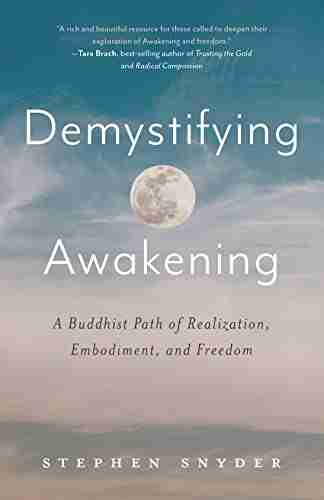
“A rich and beautiful resource for those called to deepen their exploration of Awakening and freedom.”
—Tara Brach, best-selling author of Trusting the Gold and Radical Compassion
See the potential that is within each of us—the realization and embodiment of our true nature
With Demystifying Awakening, senior meditation teacher Stephen Snyder skillfully marks the subtle path of the Awakening process. With loving care, personal examples, and gentle suggestions, Stephen plants the seeds of practice and meditation by:
- explaining Awakening in an accessible way that draws on Zen and Theravada Buddhist traditions;
- guiding readers through more than thirty foundational and advanced meditations and practices that support each step on the path of realization;
- offering advice for identifying and working with resistances to Awakening; and
- encouraging the embodiment and lived expression of realization through an exploration of the pāramīs, the Buddhist perfections of behavior.
Demystifying Awakening transmits a practice path for Awakening in this lifetime.
“A unique and profound manual . . . that clearly and succinctly unveils the path, and process, of Awakening as practiced, lived, and taught by Stephen Snyder.”
—Judson Brewer, MD, PhD, NYT best-selling author of Unwinding Anxiety and The Craving Mind
“Stephen is a friendly, helpful, and sweetly encouraging guide. In his pages, you feel like you’re coming home to who you’ve always been: wakeful, loving, contented, and wise.”
—Rick Hanson, PhD, NYT best-selling author of Neurodharma and Buddha’s Brain
“A wise map and a powerful reminder that while the path is in a sense a pathless path, and leads right back to here and now, that doesn't mean Awakening isn't real.”
—Henry Shukman, author of One Blade of Grass andguiding teacher of Mountain Cloud Zen Center

 Anthony Burgess
Everything You Need To Know About Building Referral...
Are you looking for ways to boost revenue...

 Glen Powell
 Aleksandr Pushkin
The Fascinating History of Afro Uruguay - Unveiling the...
Afro Uruguay refers to the rich and diverse...

 Anton Foster
Reflections From Stubborn Son: A Journey of...
Have you ever encountered a stubborn...

 Brennan Blair
Discover the Revolutionary World of Protein Modelling:...
Protein modelling is an essential...

 Ricky Bell
The Best Old Fashioned Advice: Timeless Wisdom Passed...
Have you ever turned to your grandparents,...

 Isaiah Price
Embark on an Unforgettable Journey: The Sword and Sorcery...
Are you ready to be...

 Hassan Cox
The Enchanting World of Wendy Darling Comes Alive in...
Step into the magical world of Neverland...

 Ivan Turner
Adsorption Calculations And Modelling Chi Tien: Unlocking...
In the field of chemistry, adsorption is a...

 Harvey Hughes
Unleashing the Full Potential of a Team: How To Organize...
"Genius is 1% inspiration and 99%...
 Desmond Foster
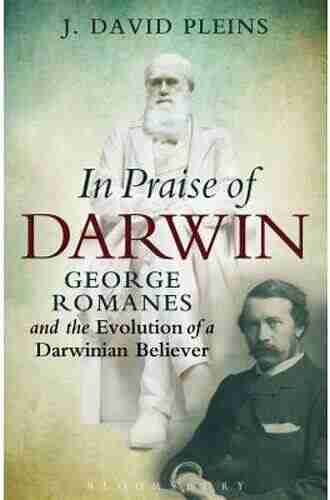
The Fascinating Journey of George Romanes: From...
George John Romanes, born on May 20, 1848,...

 Adrien Blair
The Untold Truth: The Bible In The Early Church - A...
Lorem ipsum dolor sit amet, consectetur...
Light bulbAdvertise smarter! Our strategic ad space ensures maximum exposure. Reserve your spot today!




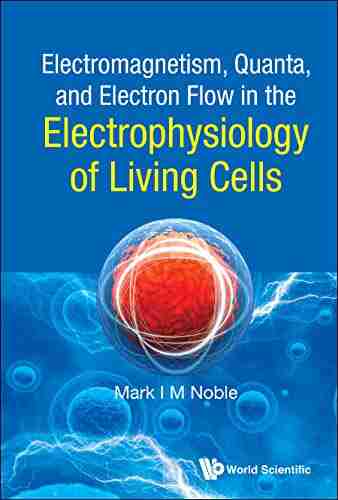
 Rodney ParkerUnveiling the Mysterious World of Electromagnetism Quanta and Electron Flow...








 Yasunari KawabataUnlock the Best Praski Warsaw Itinerary - Discover the Hidden Gem of the...



 Ernest HemingwayFollow ·12.3k
- Hassan CoxFollow ·7k
 Chris ColemanFollow ·16k
 Tyler NelsonFollow ·15.5k
 Ervin BellFollow ·7k
 John SteinbeckFollow ·18k
 Roland HayesFollow ·2.6k
 Ignacio HayesFollow ·19.7k
